
Executive Summary
- Spring turnout is a major transition in the dairy production year and cow condition before grazing strongly influences herd performance.
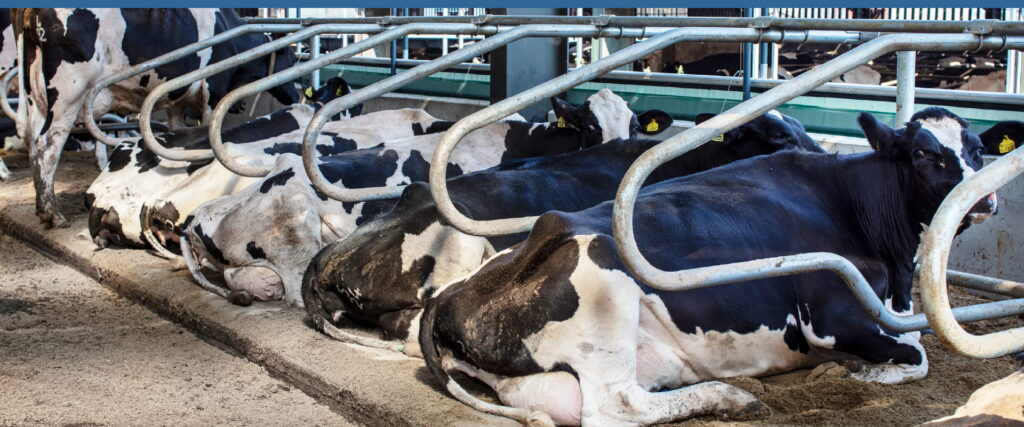
- Dairy cows naturally lie down for 12–14 hours per day, which is essential for rumination, hoof health and milk production.
- Reduced lying time can lower milk yield, with studies suggesting losses of up to 1 litre per cow per hour of lost rest.
- Poor cubicle comfort can increase standing time, placing additional strain on hooves and joints and raising the risk of lameness.
- Preparing cows for turnout starts in the housing system, where comfortable cubicles, mats or mattresses support resting behaviour.
- Cows that enter the grazing season well rested and mobile are better able to adapt to walking distances and grazing demands.
Why Housing Conditions Influence Grazing Success
Spring turnout marks a major shift in the dairy production cycle. Cows move from winter housing onto grazing pasture, walking further distances and adapting to a different diet.
However, the success of the grazing season often depends on something much less visible: how comfortable cows were during the weeks of housing.
Cows that enter turnout, mobile and healthy are far better prepared for the demands of grazing pastures.
Quick Facts: Cow Comfort and Performance
Before turnout begins, it is worth remembering a few key figures that illustrate how important housing comfort really is.
These figures explain why the condition cows enter turnout in can directly influence productivity.
Why Lying Time Matters
Resting behaviour plays a central role in dairy cow health. When cows lie down, blood flow to the udder increases, rumination improves and pressure is removed from the hooves.
Healthy cows typically lie down for around half of the day. When cubicles are uncomfortable or poorly designed, cows may hesitate to lie down or spend more time standing in passageways.
This extra standing time increases strain on the hooves and joints. Over time it can contribute to lameness, which reduces grazing time and dry matter intake once cows move onto pasture.
Ensuring cows have comfortable lying areas during winter housing helps to work towards a mobility score of 0 before turnout begins.
Preparing Cows for the Physical Demands of Grazing
Grazing cows are typically more active than housed cows. They must walk between pasture, water points and milking facilities, often covering several miles each day.
Cows entering the grazing season with mobility problems may struggle to maintain adequate grazing time. Reduced grazing time leads to lower dry matter intake and, ultimately, reduced milk yield.
For this reason, many farms use the late winter period to review mobility scores and address hoof health issues before turnout.
Housing comfort also plays a role. Cows that can rest properly during the housing period experience less stress on their hooves and joints, helping them enter the grazing season in better physical condition.
How Cubicle Comfort Influences Cow Behaviour
Cubicle design strongly affects whether cows lie down easily and comfortably.
If cubicles are too small, poorly bedded or have hard surfaces, cows may stand for longer periods instead of resting. This behaviour increases pressure on hooves and joints and can lead to swelling or hock injuries.
Comfortable cubicle mattress’s encourage cows to lie down naturally and exit safely. Many dairy housing systems use mattresses to provide a more forgiving surface than rubber mats or bare concrete with straw on top.
Research has shown that cows housed on Latex foam mattresses often spend more time resting and show fewer signs of joint damage.
Why Housing Comfort Still Matters After Turnout
Even once grazing begins, cows often continue to spend time indoors. Early spring weather in the UK can be unpredictable, and many farms house cows overnight or during wet conditions.
This means housing comfort remains important throughout the early grazing season. When cows return indoors, they still require clean, comfortable lying areas to maintain adequate resting time.
Suitable mattress top covers also aid cleaning and hygiene of the cubicle, helping reduce bacterial growth and improve overall herd health.
The Role of Durable Housing Equipment
Dairy farms place considerable demands on housing equipment. Cow mats, mattresses and cubicle fittings must withstand heavy daily use while continuing to provide comfort for large animals.
High-quality mattress provides cushioning that reduces joint pressure and encourages natural resting behaviour. Durable materials also ensure equipment remains effective for many years in busy dairy environments.
Intershape supplies practical, competitively priced cow comfort equipment designed to support modern dairy housing systems. Reliable mats, mattresses and cubicle solutions help maintain cow comfort throughout both housing and grazing periods.
Key Takeaways for Spring Turnout
Preparing cows for grazing begins inside the housing system.
Before turnout, farms should focus on three fundamentals:
- Ensuring cows can lie comfortably for 12–14 hours per day
- Maintaining good hoof health and mobility
- Providing durable cubicle surfaces that support resting behaviour
When cows enter the grazing season well rested and physically sound, they are far better prepared to make the most of spring grass.