
Executive Summary
- Spring grazing preparation is critical for dairy herd health and productivity. Decisions made before turnout can influence milk yield, mobility and pasture performance throughout the grazing season.
- Spring grass is highly nutritious, often containing 18–25% crude protein, but it has lower fibre than winter silage and must be introduced gradually.
- Grazing should begin with 2–3 hours per day, increasing gradually over 10–14 days while continuing silage buffer feeding to stabilise rumen function.
- Early grazing can increase the risk of grass tetany, so many herds receive 20–30g of magnesium per cow per day during transition.
- Maintaining mobility is essential, as cows may walk several miles per day during the grazing season. Lameness cases in UK dairy herds can cost £180–£300 per cow.
- Cow comfort during late winter housing influences turnout success. Dairy cows naturally require 12–14 hours of lying time per day, and reduced rest can lower milk production.
- Pasture readiness is equally important. Ideal turnout conditions typically include grass heights of 8–10 cm and suitable ground conditions to prevent poaching.
- Lactating dairy cows may consume 60–100 litres of water per day, making reliable water access essential in grazing paddocks.
Spring turnout is one of the most important management transitions in the dairy calendar. Moving cows from winter housing onto fresh grass can significantly reduce feed costs, but it also introduces nutritional and health challenges that require careful preparation.
In the UK, grazed grass remains one of the most cost-effective feeds available to dairy farms. When managed well, the cost per megajoule of energy can be less than half that of purchased concentrate feeds.
However, the transition from conserved forage to spring pasture must be handled carefully. Changes in diet, walking distances and environmental conditions can all influence rumen stability, mobility and milk production.
For farms managing herds of around 200 cows, the decisions made in the weeks leading up to turnout can influence herd performance for the rest of the grazing season.
Why Spring Grazing Preparation Matters
Spring grass grows rapidly once soil temperatures rise above 6°C. Under favourable conditions, growth rates can reach 50–70 kg of dry matter per hectare per day.
This rapid growth produces highly digestible forage with crude protein levels often reaching 18–25 percent.
While this makes spring grass an extremely valuable feed source, it also represents a major dietary shift for cows that have been consuming a silage-based winter ration.
Compared with silage, early spring grass contains:
- Less structural fibre
- Higher levels of rapidly fermentable sugars
- Higher moisture content
Introducing this change too quickly can disrupt rumen balance and increase the risk of subacute ruminal acidosis (SARA). This condition can reduce feed intake and milk yield.
Gradual adaptation allows rumen microbes to adjust and helps protect cow health during the transition to grazing.
Managing the Transition from Silage to Grass
Introducing cows to grazing gradually is one of the most effective ways to stabilise rumen function.
Rather than moving directly from full-time housing to unrestricted grazing, many farms begin with two to three hours of grazing per day. Grazing time can then increase gradually over 10–14 days.
During this transition period, continued access to silage is important. This approach, often called buffer feeding, provides essential fibre and helps maintain consistent dry matter intake.
Mineral management also becomes important during early spring.
Rapidly growing pasture can contain high potassium levels, which interfere with magnesium absorption and increase the risk of grass tetany.
For this reason, many herds receive 20–30 grams of magnesium per cow per day during early grazing.
Mobility and Hoof Health Before Turnout
Mobility is another factor that strongly influences grazing success.
A healthy dairy cow typically spends:
- 8–10 hours per day grazing
- Several additional hours ruminating
- 12–14 hours lying down
Lameness reduces grazing time and limits dry matter intake, which can quickly affect milk production.
The financial impact can also be significant. Across UK dairy herds, the cost of a single case of lameness is estimated at £180–£300, once treatment costs and lost productivity are considered.
For this reason, many farms carry out mobility scoring and hoof trimming before turnout. Addressing hoof health early helps ensure cows can walk comfortably to and from pasture.
The Role of Housing Comfort Before Turnout
Although grazing preparation often focuses on pasture management, housing conditions during the weeks of winter have a lasting impact on cow health.
Dairy cows naturally lie down for 12–14 hours each day. Adequate rest supports rumination, hoof health and milk production.
If cows cannot lie comfortably due to unsuitable cubicle surfaces, they tend to spend more time standing. This increases pressure on hooves and joints and can contribute to lameness.
Research has shown that each hour of lost lying time can reduce milk yield by up to one litre per cow per day.
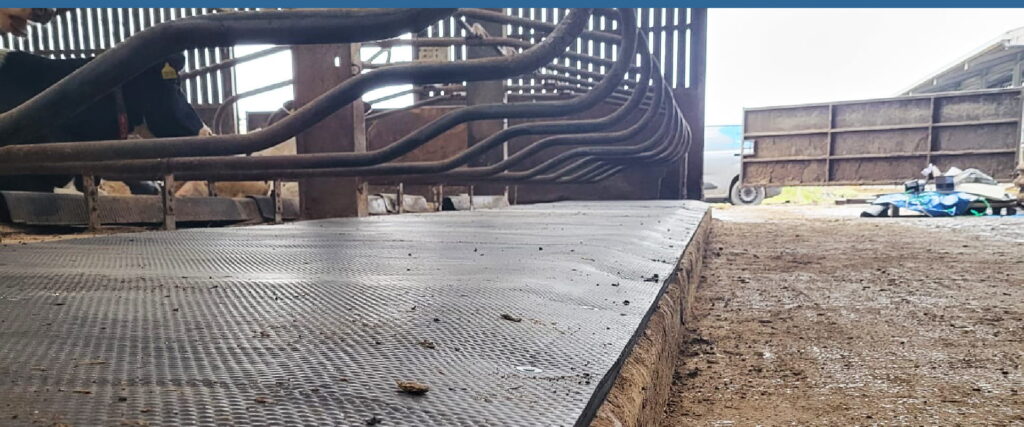
Comfortable cubicle systems and supportive surfaces such as cow mats or mattresses therefore play an important role in preparing cows for turnout. When cows enter the grazing season well rested and in good condition, they are more resilient to the physical demands of grazing.
Preparing Youngstock for Spring Turnout
Replacement heifers and young calves also require careful management during the transition to grazing.
Maintaining steady growth is essential for efficient herd replacement. Dairy heifers typically need to reach 55–60 percent of mature body weight by first service.
Growth interruptions during spring turnout can impact fertility and increase rearing costs.
Early spring weather can also be unpredictable. Youngstock are particularly vulnerable to temperature fluctuations, which can increase the risk of respiratory illness.
Providing dry lying areas and maintaining clean feeding equipment helps reduce disease risk during this period.
Pasture and Infrastructure Readiness
Before cattle are turned out, pasture condition should be carefully assessed.
Grazing is generally most effective when grass reaches a height of around 8–10 cm. Turning cattle out too early can damage young swards and reduce overall pasture productivity.
Many UK dairy farms now use rotational grazing systems to improve pasture management. These systems allow grass to recover between grazing periods and can increase pasture utilisation by 10–20 percent compared with continuous grazing.
Infrastructure also plays a key role in grazing efficiency.
Lactating dairy cows may consume 60–100 litres of water per day, so reliable water supply in grazing paddocks is essential. Trough capacity and refill rates should be able to meet peak demand, particularly after milking.
High-traffic areas such as gateways and tracks also require attention before turnout. Stable surfaces and good drainage help reduce poaching and protect both pasture and hoof health.
Supporting Grazing with the Right Housing Equipment
Even after turnout begins, cows often continue to spend part of the day indoors. Early spring weather can remain unpredictable, and many farms house cows overnight or during wet conditions.
For this reason, housing comfort remains important throughout the early grazing period.
Well-designed cow mats and mattresses provide consistent lying comfort and help protect joints from hard concrete surfaces. Durable housing equipment also supports hygiene and withstands the demands of daily farm use.
Providing comfortable housing areas ensures cows can rest properly whenever they return indoors, helping maintain productivity during the grazing season.
A Strong Start to the Grazing Season
Spring grazing offers one of the greatest opportunities to improve feed efficiency on UK dairy farms.
However, achieving these benefits depends on preparation.
Gradual dietary transitions, strong hoof health management and comfortable housing all contribute to a smooth start to the grazing season.
When cows enter turnout in good condition and adapt gradually to fresh grass, farms are better positioned to maintain milk yield, protect herd health and maximise the value of grazed pasture.